

Beyond New Glasses: Why Back-to-School Is the Right Time to Discuss Myopia Control
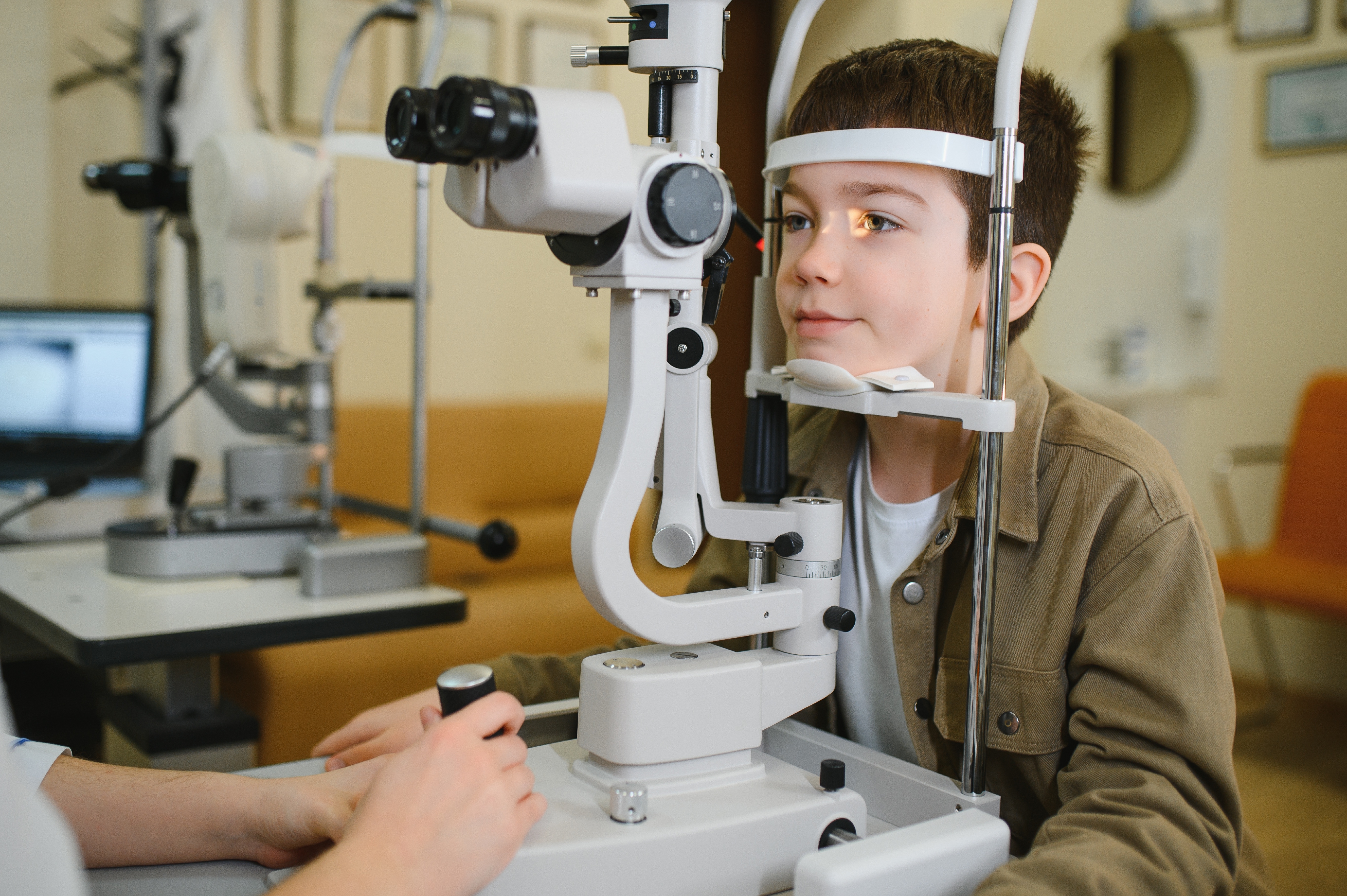
A new school year often brings new classrooms, new teachers, and a fresh vision prescription. If your child is nearsighted, updated glasses can sharpen the board and improve everyday comfort. However, standard glasses only correct blurry vision. They do not address the ongoing eye growth that can cause myopia to worsen during childhood.
Myopia, also called nearsightedness, often progresses as children grow. A stronger prescription may be needed year after year, especially when myopia begins at a younger age. Myopia control takes a more proactive approach by helping slow progression while still providing the clear vision your child needs for school, sports, and daily activities.
Why Back-to-School Is a Smart Time for an Evaluation
The weeks before or at the beginning of school are an ideal time to evaluate changes in your child’s vision. Children may not always recognize that distant objects look blurry, and they may adapt by squinting, moving closer to screens, or avoiding activities that require clear distance vision.
A comprehensive eye exam can determine whether your child’s prescription has changed and whether myopia management should be considered. Starting early may help reduce how quickly the prescription increases and support better long-term eye health.
Signs that may point to worsening myopia include:
- Squinting to see the board, television, or distant signs
- Sitting unusually close to screens or holding books near the face
- Complaining of headaches or tired eyes after school
- Struggling during sports or other distance-based activities
- Needing frequent updates to an eyeglass prescription
Myopia Control Options for Children
Myopia management is personalized according to a child’s age, prescription, eye health, maturity, and daily routine. At our office, available options may include Ortho-K, MiSight 1 day contact lenses, low-dose atropine drops, and Essilor Stellest lenses.
Ortho-K lenses are worn overnight to gently reshape the cornea, providing clear daytime vision without glasses or daytime contacts. MiSight 1 day lenses are daily disposable soft contact lenses designed to correct vision while slowing myopia progression. Low-dose atropine drops are typically used at night to help reduce excessive eye growth. Essilor Stellest lenses look and function like regular eyeglasses but use specialized lenslet technology to correct nearsightedness and manage its progression.
Each option has different benefits and care requirements. An eye exam and myopia evaluation help determine which approach is most appropriate for your child.
Support Clearer Learning and Long-Term Vision
Clear vision can affect reading, classroom participation, sports performance, and confidence. Addressing myopia before the school routine becomes busy gives families time to discuss treatment, establish healthy habits, and help children adjust to their recommended option.
Protect your child’s developing eyes and support clearer vision throughout the school years and schedule a myopia control evaluation with Hoffman Eyecare in Westfield, IN, by calling or texting (317) 399-1530 today.


MAP
© 2026 Hoffman Eyecare, LLC. All Rights Reserved. Accessibility Statement - Privacy Policy - Sitemap
Powered by: 