



Dry Eye or Eye Allergies? How to Tell the Difference
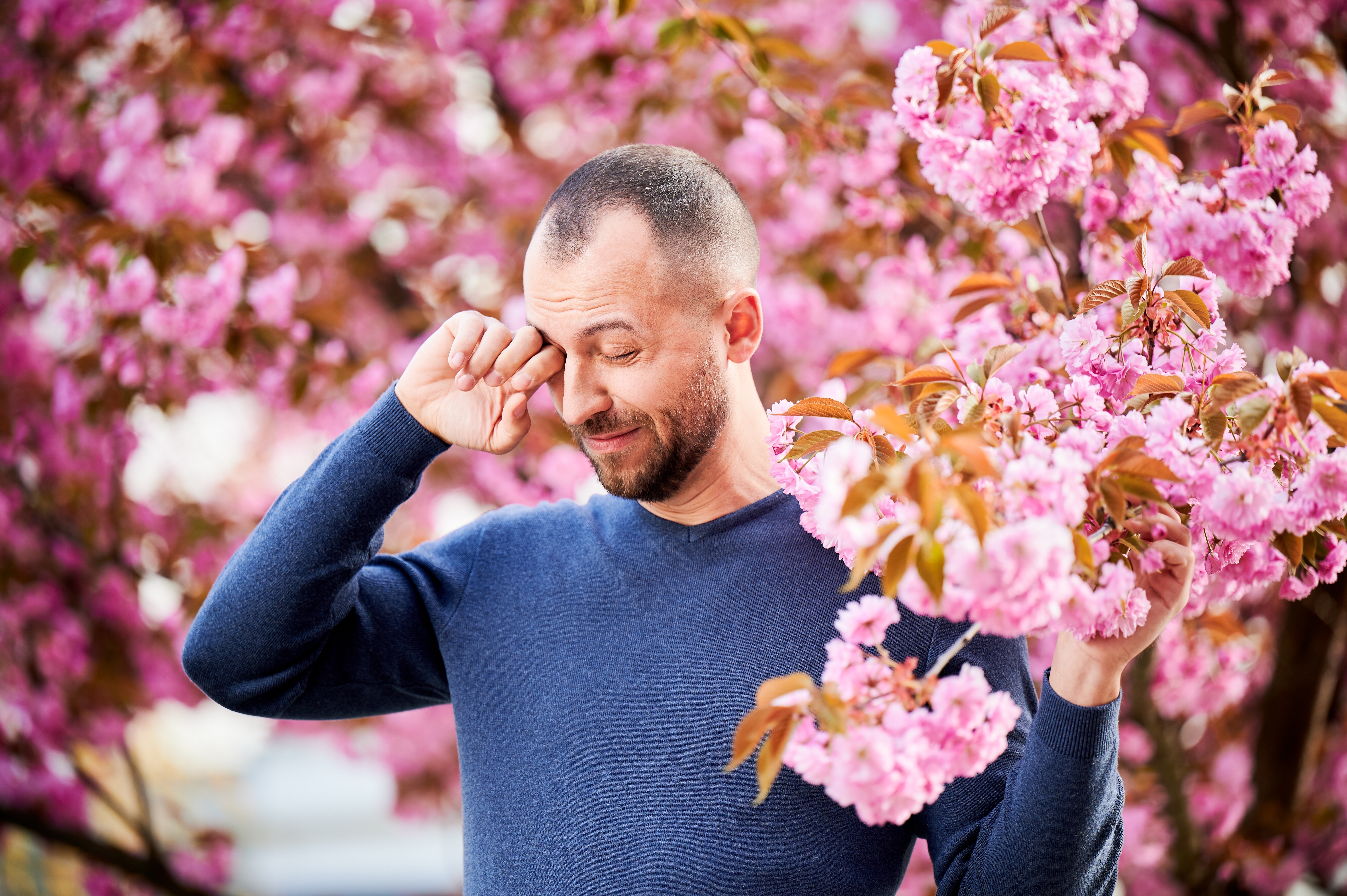
Your eyes are red, they feel irritated, and you just want them to stop. But are you dealing with dry eye or eye allergies? The two feel similar, but they have different causes and need different treatments. Here is how to figure out which one is bothering you and what to do about it.
The Big Clue: Itchiness
If your eyes are itchy, that points toward allergies. Allergic conjunctivitis happens when your eyes react to something like pollen, pet dander, or dust mites. Your body releases histamine, and histamine makes you itch. Itchiness is the hallmark of eye allergies. Dry eye can burn and sting, but it usually does not make you want to rub your eyes constantly.
What Else Is Happening?
If your eyes are acting up along with a stuffy nose, sneezing, or an itchy throat, allergies are likely the culprit. Allergies tend to hit seasonally; spring and fall are common times. Dry eye, on the other hand, often flares up after long screen sessions, in dry or windy weather, or as you get older.
How the Eyes Look and Feel
Both conditions can make your eyes red and watery, but there are differences between them. Allergies often cause puffy eyelids and dark circles under the eyes (sometimes called allergic shiners). Dry eye causes a gritty, sandy feeling, as if something is stuck in your eye. You might also notice blurry vision that comes and goes, especially after reading or staring at a screen.
What Makes It Worse?
Think about when your symptoms flare up. Do they hit when you are outside on a high-pollen day or around your furry friend? Allergies are likely the issue. Do your eyes feel worse after long hours on the computer, in a dry air-conditioned room, or as the day winds down? Dry eye is probably your culprit.
Why Treatment Matters
Here is the tricky part: using the wrong drops can backfire. Anti-allergy eye drops contain antihistamines, which can actually dry out your eyes further. If you have dry eye and use allergy drops, you might feel worse. Artificial tears are safer for dry eye and can also help with allergies by rinsing allergens out. But for real allergy relief, you might need antihistamine drops or even oral allergy medication.
When to See an Eye Doctor
If you are not sure what is going on or if symptoms persist despite trying drops, it is time to see a professional. An eye doctor can take a close look and figure out the real cause. They might check your tear production, examine your eyelids, and ask about your daily habits. From there, they can recommend the right treatment, whether that is prescription drops, lifestyle changes, or in-office procedures for chronic dry eye.
A Few More Things to Know
Yes, you can have both. Eye allergies can lead to dry eye over time because all that rubbing and inflammation mess with tear production. Also, if you wear contacts, take them out if your eyes are bothering you. Lenses can trap allergens against your eye, worsening dryness.
For more on the difference between dry eye and eye allergies, visit Hoffman Eyecare, LLC. Our office is in Westfield, Indiana. Call (317) 399-1530 to book an appointment today.


MAP
© 2026 Hoffman Eyecare, LLC. All Rights Reserved. Accessibility Statement - Privacy Policy - Sitemap
Powered by: 